
Everyone says fish is good, but what's the benefit?
According to the Dietary Guidelines for Chinese Residents (2022), it is recommended to eat fish twice a week or 300g to 500g and give priority to fish. Common aquatic products include fish, shrimp, crab and shellfish, such foods are rich in high-quality protein, lipids, vitamins and minerals, recommended daily intake of 40g ~ 75g, conditions can be preferred.
It is said that eating fish is good, what is the advantage?
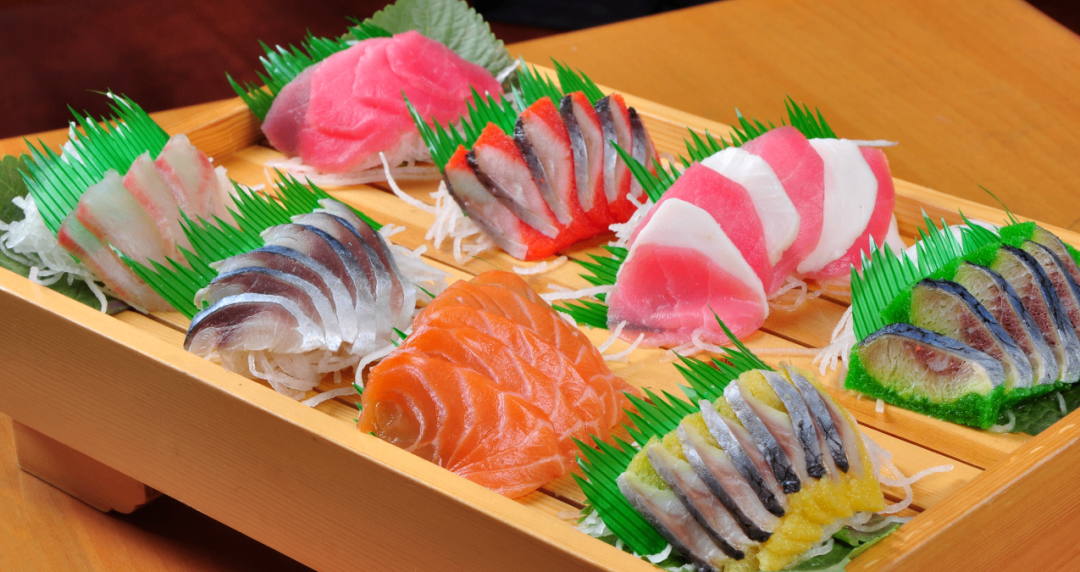
Our common aquatic products include fish, shrimp, crab and shellfish, which are rich in quality protein, lipids, vitamins and minerals and many other essential nutrients.
High quality protein content
The protein content in fish is generally 15% to 22%, and all are high-quality proteins, and the amino acid composition is very similar to the amino acid composition of protein in the human body, which is easier to be absorbed by the human body.
Healthy lipids
Lipids in aquatic products are mostly composed of unsaturated fatty acids, containing DHA, EPA and other Omega-3 fatty acids, which are lower in saturated fatty acids and cholesterol than livestock and poultry, which can reduce the occurrence of cardiovascular and cerebrovascular diseases.
Rich vitamin
Fish has A certain amount of vitamins and minerals, is an important source of vitamin A and vitamin D, is also a good source of vitamin B2, vitamin E, vitamin B1 and niacin content is also high.
Rich in trace elements
Aquatic products are rich in trace elements such as calcium, sodium, chlorine, potassium and magnesium, while Marine fish are rich in iodine, which is suitable for pregnant women.
The Dietary Guidelines for Chinese Residents (2022) clearly states that "priority should be given to aquatic products." The "Scientific Research Report on Dietary Guidelines for Chinese Residents (2021)" comprehensively collected the dietary guidelines of 45 countries around the world, of which 19 countries such as the United States and the United Kingdom have given the recommended intake of aquatic products, some weekly, some daily, and the unit is not the same. However, the dietary guidelines of many countries have specifically pointed out that fish and shrimp foods can provide a variety of nutrients that are lacking in other animal foods, effectively avoiding the risk of various diseases.
Reduced risk of death
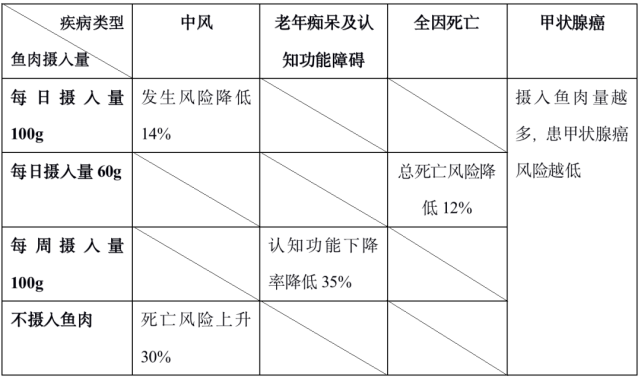
A meta-analysis involving 672,389 study subjects found that people who ate 60 grams of fish per day had a 12% lower overall risk of death.
A cohort study of 40 - to 50-year-olds in China who were followed for 14 years found that those who consumed more than 68 grams of fish per day had a 30% lower risk of all-cause death compared with those who never ate fish.
Reduced risk of stroke
Rich in unsaturated fatty acids, fish oxidizes cholesterol and lowers plasma cholesterol. It also prolongs platelet aggregation, inhibits thrombosis and prevents stroke.
A meta-analysis of more than 400,000 studies involving people over the age of 18 found that every 100g increase in fish consumption per day was associated with a 14% lower risk of stroke.
Reduced risk of Alzheimer's disease
According to the Scientific Research Report on Dietary Guidelines for Chinese Residents (2021), increasing fish intake can reduce the risk of coronary heart disease and death, reduce the risk of multiple cardiovascular and cerebrovascular diseases, senile dementia and cognitive impairment, all-cause death and female depression, and enhance the cognitive function of children. Increasing fish consumption may reduce the risk of thyroid cancer.
A cohort study of Chinese adults over the age of 65 followed for 5.3 years found that those who ate more than 100 grams of fish per week had an average 35% lower rate of cognitive decline than those who ate less than 100 grams of fish per week.
The Dietary Guide for Chinese Residents (2022) further clarifies the concept of Oriental healthy dietary model and formally puts forward it. Based on the dietary nutrition survey and chronic disease survey conducted by the Chinese Center for Disease Control and Prevention, it is found that in the Jiangnan area represented by Zhejiang, Shanghai and Jiangsu, and the coastal areas such as Guangzhou and Fujian, The dietary pattern of residents in these areas is close to the balanced pattern recommended by our pagoda, and it is also an embryonic form of the Eastern healthy dietary pattern. Their main characteristics are reflected in light and low salt, diverse food, abundant vegetables, fruits and soy products, fish, shrimp and aquatic products, milk available every day, and residents have a high level of physical activity, this model can help to avoid nutrient deficiency, obesity and related chronic diseases, help to improve life expectancy, showing a relatively low incidence of chronic diseases.
Source: Fish Market