The Life of Salmon: A Solemn Cycle Across Rivers and Oceans
Salmon is the common name for several species of euryhaline ray-finned fish belonging to the subfamily Salmoninae of the family Salmonidae, order Salmoniformes. It primarily refers to six species of the genus Oncorhynchus in the North Pacific Ocean (Chinook salmon, coho salmon, masu salmon, pink salmon, sockeye salmon and chum salmon), as well as the Atlantic salmon, the only species in the genus Salmo that is referred to as "salmon", inhabiting the North Atlantic Ocean. In China’s consumer market, the classic salmon generally refers to Atlantic salmon, commonly known as Norwegian salmon. As a world-renowned precious cold-water fish species, salmon enjoys the reputation of "the King of the Icy Sea"
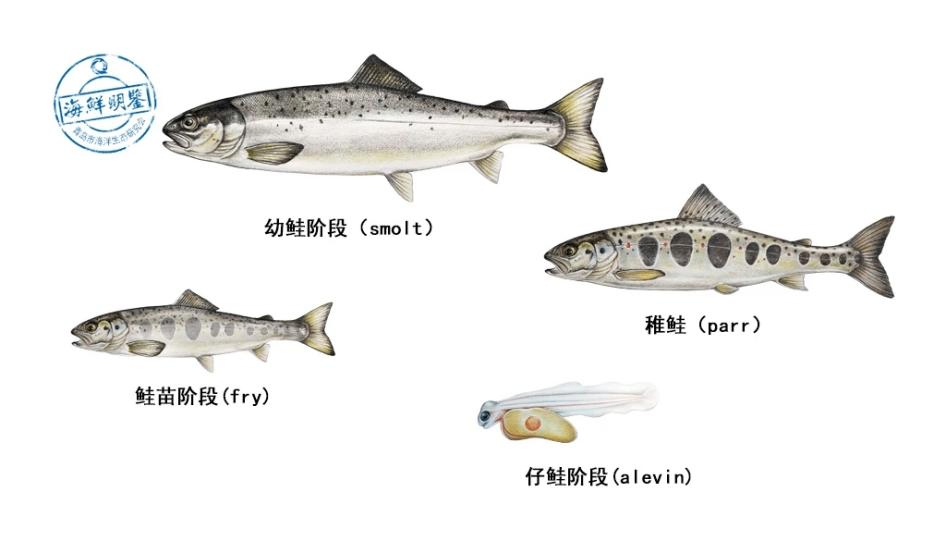
Their life cycle represents an ultimate cycle of life: born in fresh water, growing in the ocean, and returning to fresh water. Within a lifespan of only a few years, they travel back and forth between freshwater and marine environments, undergoing multiple morphological and physiological transformations. The vast majority of wild individuals exhaust their vitality after fulfilling their reproductive mission, concluding a life journey of rebirth through death. A full understanding of the salmon life cycle reveals the unique life force of this species.
 (Some images come from the web. Contact us to remove any copyrighted material.)

Stage 1: Fish Eggs (Incubated in Freshwater)
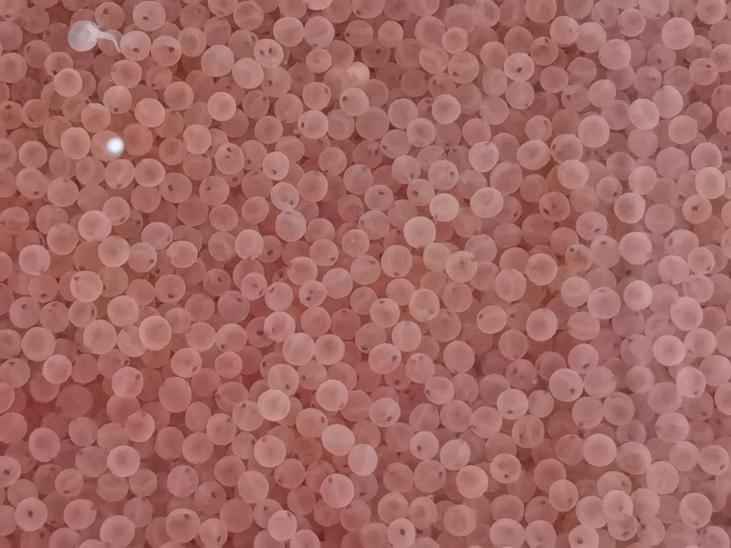
The life of a salmon begins in the upper reaches of clear, cold freshwater streams. Every autumn and winter, sexually mature wild salmon migrate thousands of kilometers back to their birthplaces. The female fish swings her powerful caudal fin to dig redds in the riverbed gravel and lays thousands of orange-red eggs. Males then perform external fertilization. Afterwards, the female stirs the gravel again to cover the eggs with a thick layer, shielding them from water currents and predators.
The hatching rate of eggs depends on water temperature. Under suitable cold conditions, the incubation period lasts 2 to 4 months. Buried in crevices among gravel, the eggs develop slowly with continuous oxygen supply from running water. Due to multiple pressures including predation, sharp fluctuations in water temperature and water pollution, less than 10% of the eggs can hatch successfully. Life faces harsh natural selection right from the very start.
Stage 2: Alevin (With Yolk Sac for Nutrition)
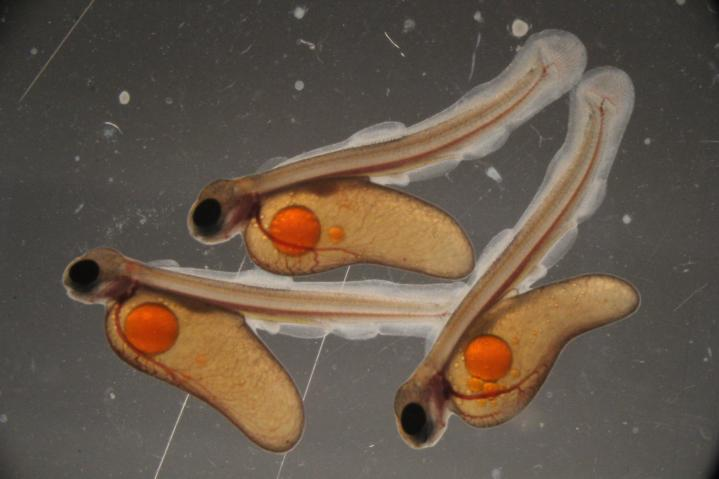
When the eggs hatch, the young fish produced are called alevins, also known as yolk-sac fry. At this stage, the tiny fish carry a large yolk sac attached to their abdomen — their innate "personal food reserve". Newly hatched alevins cannot feed on their own and survive entirely by absorbing nutrients from the yolk sac, with no need to seek food outside.
To avoid predation by birds and small fish, alevins remain hidden deep within gravel crevices, staying dormant and growing quietly. After 1 to 2 months of growth, the nutrients in the abdominal yolk sac are fully consumed. The juveniles’ internal organs and swimming capabilities become fully developed. They emerge from hiding and enter the parr stage.
Stage 3: Fry (Freshwater Acclimation)
Once the yolk sac is fully absorbed, the young fish develop into salmon fry. Slender and agile at this stage, they begin active feeding, preying on plankton, aquatic insects and tiny crustaceans.
This is a critical period for salmon to adapt to the external environment. Freed from the shelter of gravel, the fry stay active in shallow stream riffles. While feeding and growing, they hone survival skills such as swimming against the current and evading predators, building up sufficient energy reserves to physiologically prepare for their future journey to the ocean.
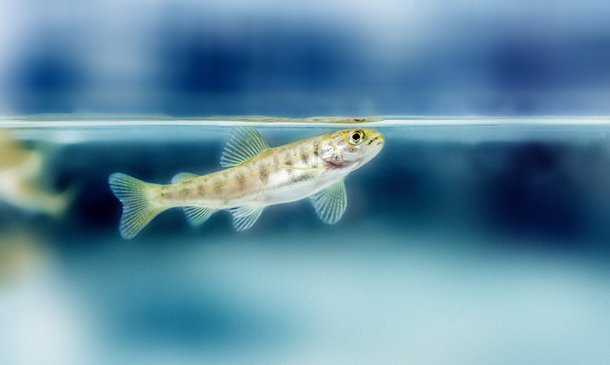
Stage 4: Parr
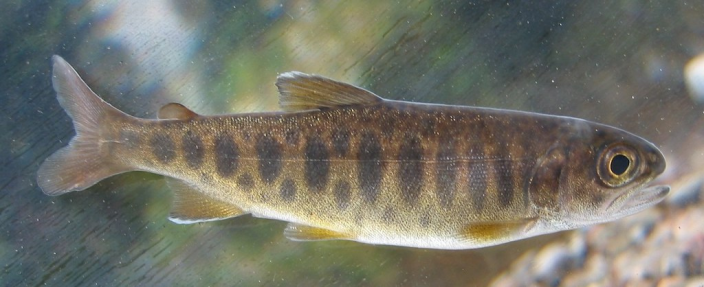
After several months of growth, the fry enter the parr stage, the longest phase of the salmon’s life spent in freshwater. The fish develop distinctive dark vertical bars and spots, which act as natural camouflage. This patterning blends seamlessly with the light, shadows and gravel of the stream, reducing the risk of predation.
Parr live in their natal freshwater rivers for 1 to 3 years, gradually reaching a body length of 10–25 cm. They keep feeding to build strong bodies and adapt to complex flow conditions. Better living conditions enable faster development for parr, bringing them sooner to the critical transformation for downstream migration to the ocean.
Stage 5: Smolt (Physiological Transformation, Bound for the Ocean)
This is the most critical transitional metamorphosis in a salmon’s life, scientifically termed smoltification. Once parr reach sufficient size and physical condition, their bodies undergo comprehensive physiological changes: the original dark markings fade completely, their scales turn silvery and smooth all over, and their bodies become more slender and streamlined, bringing a striking change in appearance.
The more essential transformation lies in the reconstruction of bodily functions. Gills, kidneys and the osmoregulatory system are fully upgraded. The fish evolve from freshwater-only dwellers into organisms capable of tolerating high-salinity seawater, perfectly solving the survival challenge for freshwater fish entering the ocean. This process is known as silvery metamorphosis or smoltification. After completing smoltification, the young fish swim downstream in schools, leaving the freshwater habitat where they have lived for years, heading for the vast ocean.
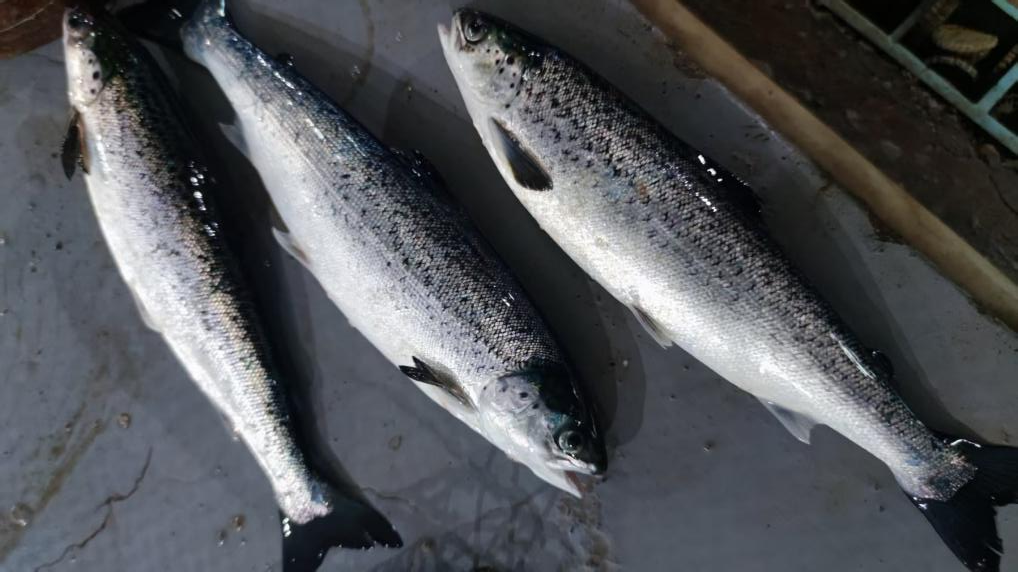
(Smolted salmon)
Stage 6: Adult Salmon (Final Chapter of Life)
1.Ocean Growth Phase
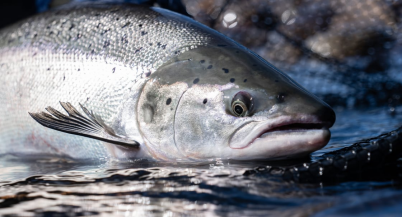
After entering the ocean, salmon embark on a period of rapid growth. The open ocean abounds with food sources such as krill, small fish and crustaceans, supplying the salmon with ample nutrition. During their 2–4 years at sea, their body size increases dramatically. They grow from small fish of more than ten centimeters into adult fish weighing several kilograms, with firm muscles and plump fat deposits. This is the primary reason why salmon flesh is rich, tender and nutrient-dense for human consumption.
Ocean-dwelling salmon are silvery all over with robust bodies, adept at long-distance roaming. They build up abundant energy reserves across vast waters until they reach sexual maturity, when the ultimate mission of their life quietly begins.
2. Swimming Upstream: A Journey Toward Life Through Death
Sexually mature salmon embark on one of nature’s most spectacular anadromous migrations. Guided by powerful spatial memory, they cross the vast ocean to return precisely to the stream where they were born. Once they enter freshwater, salmon cease feeding entirely and rely solely on fat reserves built up during their time at sea for all physical exertion.
The journey home is fraught with dangers. They struggle against strong upstream currents, leap over waterfalls and dams, and face multiple threats from brown bears, water birds and human fishing. During this arduous trek, the appearance of adult salmon transforms once again: their silvery bodies turn deep red and dark green, their head morphology changes, their skin becomes cracked, and their bodies steadily deteriorate from constant energy depletion.
3. Spawning Completes, and the Cycle of Life Continues
After enduring countless hardships to reach the spawning grounds, male and female salmon mate and lay eggs, repeating this life ritual generation after generation. Having exhausted all physical energy, the vast majority of wild salmon die within one to two weeks after spawning. Their bodies sink into the stream, serving as nutrients for aquatic plants and microorganisms, nourishing the entire water system and creating living conditions for the new generation of eggs and fry. Only a tiny number of individuals can survive and return to the ocean, which remains a rare occurrence. With this, the life cycle of one generation of salmon comes to an end, and a new cycle begins.
Note: Farmed salmon for human consumption are harvested during the ocean grow-out phase. They do not undergo the exhausting upstream migration, which explains their tender flesh and rich fat content.
Qicai Seed Industry:
Building the Foundation for Domestic Salmon Seed Stock with Land‑based RAS Technology
Wild salmon rely on natural environments for reproduction. Their fry have low survival rates and unpredictable output, making them unable to support the development of commercial aquaculture. For a long time in the past, China has been heavily reliant on imports for high-quality salmon fry. This weakness in seed stock has restricted the development of the whole salmon industrial chain.
Qingdao Qicai Seed Industry Technology Co., Ltd. focuses on the cold-water salmon seed sector. Building on the natural growth habits of salmon — salmon eggs, alevins, fry, parr and smolts all thrive in freshwater environments. Only after completing smoltification do they gain the ability to survive in seawater.
The Lacey Campus of Qicai Seed Industry specializes in full-process freshwater rearing of salmon fry. Supported by self-developed industrial high-density recirculating aquaculture technology, the company has built a fully indoor, standardized fry-rearing system independent of marine areas. Concentrating on breeding high-quality salmon seed, it addresses core industry challenges at the source: China’s reliance on imported salmon fry, inconsistent quality and low survival rates.
一、Core Model: Fully Indoor Land-based Closed-loop RAS Fry Rearing

Our company adopts a fully indoor land-based closed-loop recirculating fry rearing solution to carry out salmon fry cultivation in standardized indoor aquaculture factories.
With our self-developed dedicated water circulation treatment system, we realize closed-loop recycling of rearing water. Combined with a digital IoT intelligent management and control system, core rearing parameters including water quality, water temperature, dissolved oxygen and flow velocity can be precisely regulated with constant temperature, oxygen and flow. Isolated from disturbances of the external natural environment, the system avoids risks caused by extreme weather, fluctuations in water conditions and seasonal temperature differences, enabling stable and standardized fry production all year round.
The company’s core fry rearing technology reaches an internationally advanced level. Supported by mature and complete salmon seed rearing protocols, we can stably produce SPF (Specific Pathogen Free) salmon fry. The growth status of seeds is monitored throughout the whole process, consolidating core advantages in quality, survival rate and disease resistance right at the seed source.
二、Complete Business Chain: From Germplasm Construction to Standardized Pre-smolt Fry Rearing
-
Germplasm Resource Bank: Consolidating Seed Source Foundation
The core of seed industry lies in germplasm resources. Qicai Seed Industry is building a high-quality salmon germplasm resource bank to conduct screening, preservation and selective breeding of elite germplasm, reducing excessive reliance on imported overseas seed sources. Through continuous germplasm optimization, strains adapted to China’s local aquaculture environments will be screened. This provides high-quality genetic materials for subsequent artificial insemination, egg incubation and large-scale fry rearing, advancing research on the localization of salmon seed sources.
Full-cycle Freshwater Standardized Fry Rearing
Relying on premium materials from the germplasm resource bank, standardized processes for artificial insemination and egg incubation are implemented. From fish eggs and larvae to parr and pre-smolt salmon, the entire life cycle is reared in indoor freshwater fry tanks. The closed-loop water purification system isolates natural predators from the wild, exogenous water-borne pathogens, parasites and heavy metal pollution. It cuts down chemical usage and avoids weak, deformed and diseased fry.
Precision Digital Cultivation for High-quality Large-specification Fry
The digital system dynamically adjusts key parameters including feeding, water flow and dissolved oxygen to match the growth requirements of salmon fry at each stage and ensure steady and healthy development. Fry can be released once they reach target specifications. The produced fry boast a high qualified rate and adapt to various farming scenarios such as deep-sea offshore cages and inland land-based aquaculture, providing a stable seed supply for the land-sea relay aquaculture model.

Seed is the starting point of fishery industry. Qicai Seed Industry replaces the traditional natural breeding model with an industrialized and intelligent land-based recirculating aquaculture model, tackling the key links in the localization of salmon fry production.
The supply of high-quality fry connects the critical upstream chain of “germplasm — fry rearing — grow-out aquaculture”. It helps China’s salmon industry achieve independent and controllable seed sources, consolidates the seed industry foundation for high-quality development of the domestic whole salmon industrial chain, and empowers the upgrading of China’s cold-water fishery.